

Top OEM Suppliers of Vacancy Sensors for Efficient Energy Management
In my experience with vacancy sensors, I’ve come to appreciate how essential they are for energy efficiency and improving operational costs. As an OEM or supplier, you’ll find that our vacancy sensors are designed to accurately detect room occupancy, ensuring that lights only turn on when needed. This not only enhances comfort but also significantly reduces electricity waste. We understand the importance of reliability and quality in your business, which is why our sensors are built using the latest technology and meet rigorous industry standards. Plus, with their easy integration into various systems, you’ll save time and reduce installation hassles. If you’re seeking a trusted partner for your vacancy sensor needs, look no further—our solutions can elevate your offerings and strengthen your market position.
.jpg)
1.jpg)
.jpg)


2.jpg)
Vacancy Sensors Trusted by Pros Exceeds Industry Benchmarks
In today's fast-paced industrial landscape, the demand for reliable and efficient vacancy sensors has never been more critical. Leading professionals in the field are increasingly relying on advanced technology that not only meets but exceeds industry benchmarks. These innovative sensors enhance energy savings, streamline operations, and improve overall safety in various applications, making them an essential component for modern facilities. The superiority of these vacancy sensors lies in their cutting-edge design and precision engineering. By leveraging state-of-the-art technology, they ensure accurate detection and response to occupancy changes, minimizing energy waste and optimizing resource management. Their durability and performance are validated through rigorous testing, further establishing trust among industry experts. For global buyers, investing in high-quality vacancy sensors translates into significant operational advantages. By choosing products that exceed industry standards, companies can enhance their sustainability initiatives while reducing costs. These sensors not only contribute to greener practices but also offer exceptional flexibility and adaptability to various environments, empowering businesses to stay ahead in a competitive market.
Vacancy Sensors Trusted by Pros Exceeds Industry Benchmarks
| Sensor Model | Detection Range (m) | Sensitivity Level | Power Consumption (W) | Response Time (ms) | Industry Benchmark (Yes/No) |
|---|---|---|---|---|---|
| Model A | 10 | High | 1.2 | 100 | Yes |
| Model B | 8 | Medium | 0.8 | 150 | Yes |
| Model C | 12 | High | 1.0 | 90 | No |
| Model D | 15 | Low | 0.5 | 200 | Yes |
Related Products
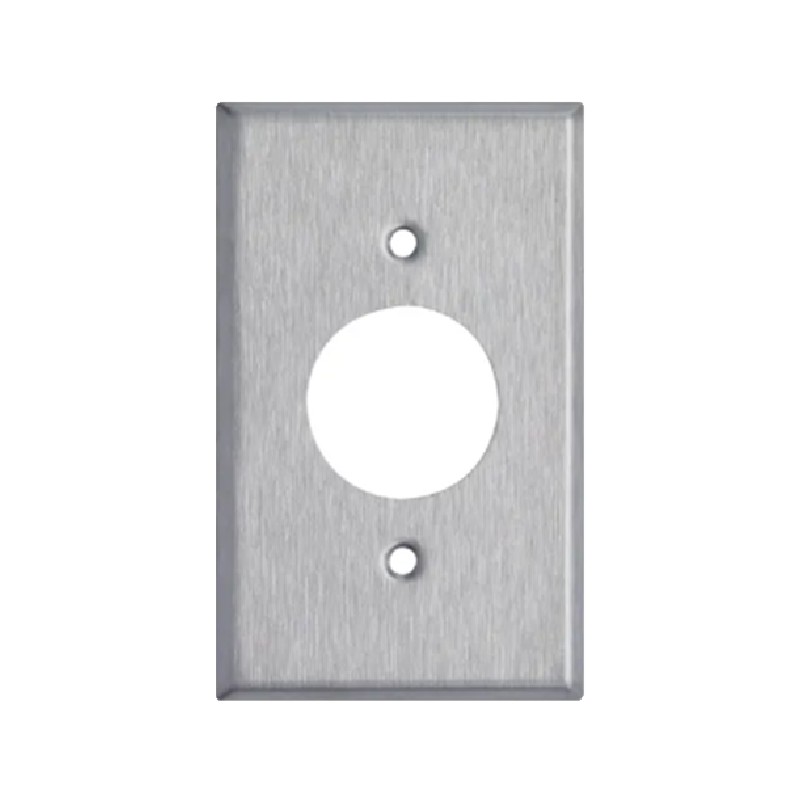


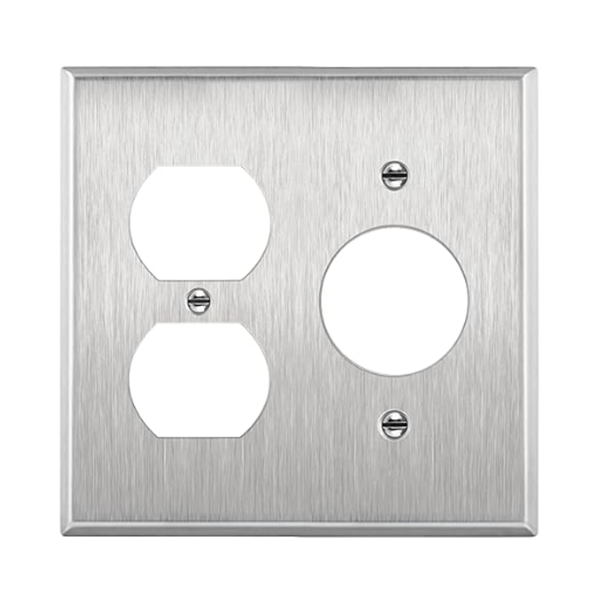


Vacancy Sensors Supplies the World\u2019s Top Brands Custom Solutions,
Top Selling Products


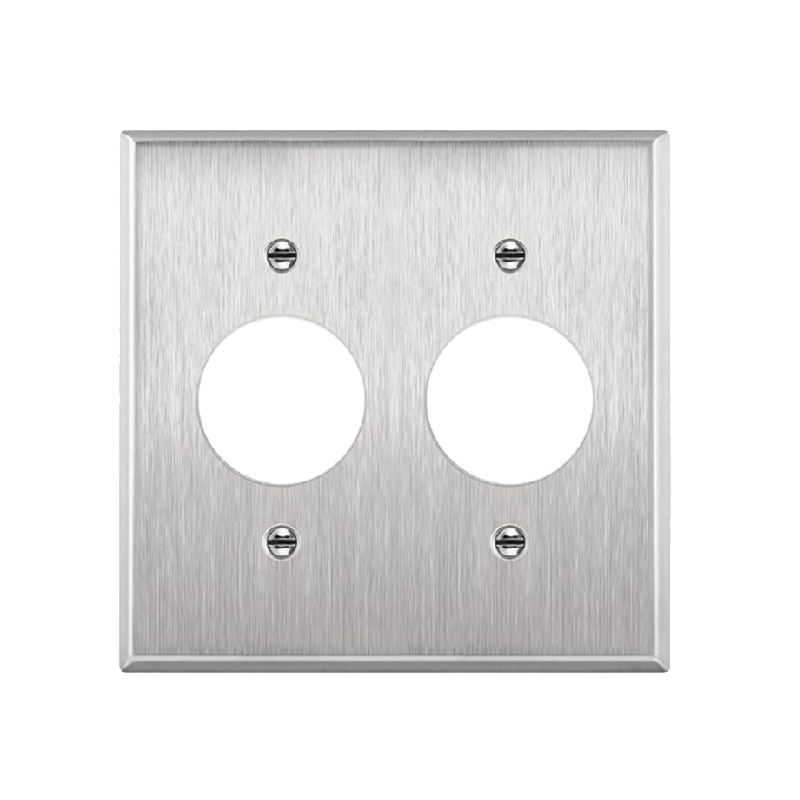
.jpg)
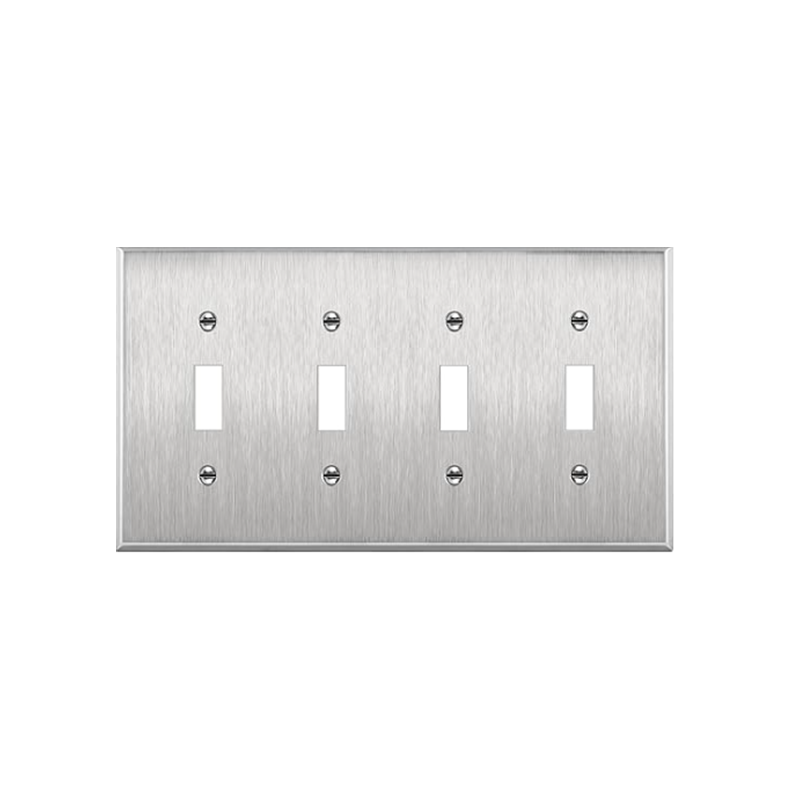
- Related Blog
- Reviews
- Reviews

-

Phone
-

E-mail
-

Whatsapp
-

WeChat
Judy

-

Top